
Crawl space sump and drainage in Cookeville runs $1,500–$4,000 for sealed sump systems and $2,500–$7,000 with perimeter collection. In cave country the storm is only half the event (the limestone drains toward your footing for days after) so systems here are sized for endurance, not just surge.
Endurance sizing, sealed-basin standards, and how drainage anchors the bigger fix.
Sized for the week, not the hour
Flatland sump design worries about the cloudburst. Karst adds a second problem: ground that keeps delivering long after the sky clears, as the limestone network drains its charge through whatever outlets it favors, sometimes at your foundation. A good design starts from observed behavior on your lot: collection where water actually emerges, a basin at the true low point, a pump rated for sustained cycling with a check valve behind it, and discharge routed where the rock can't recycle it back. Battery backup earns its cost here: plateau-edge storms and power outages ride together.
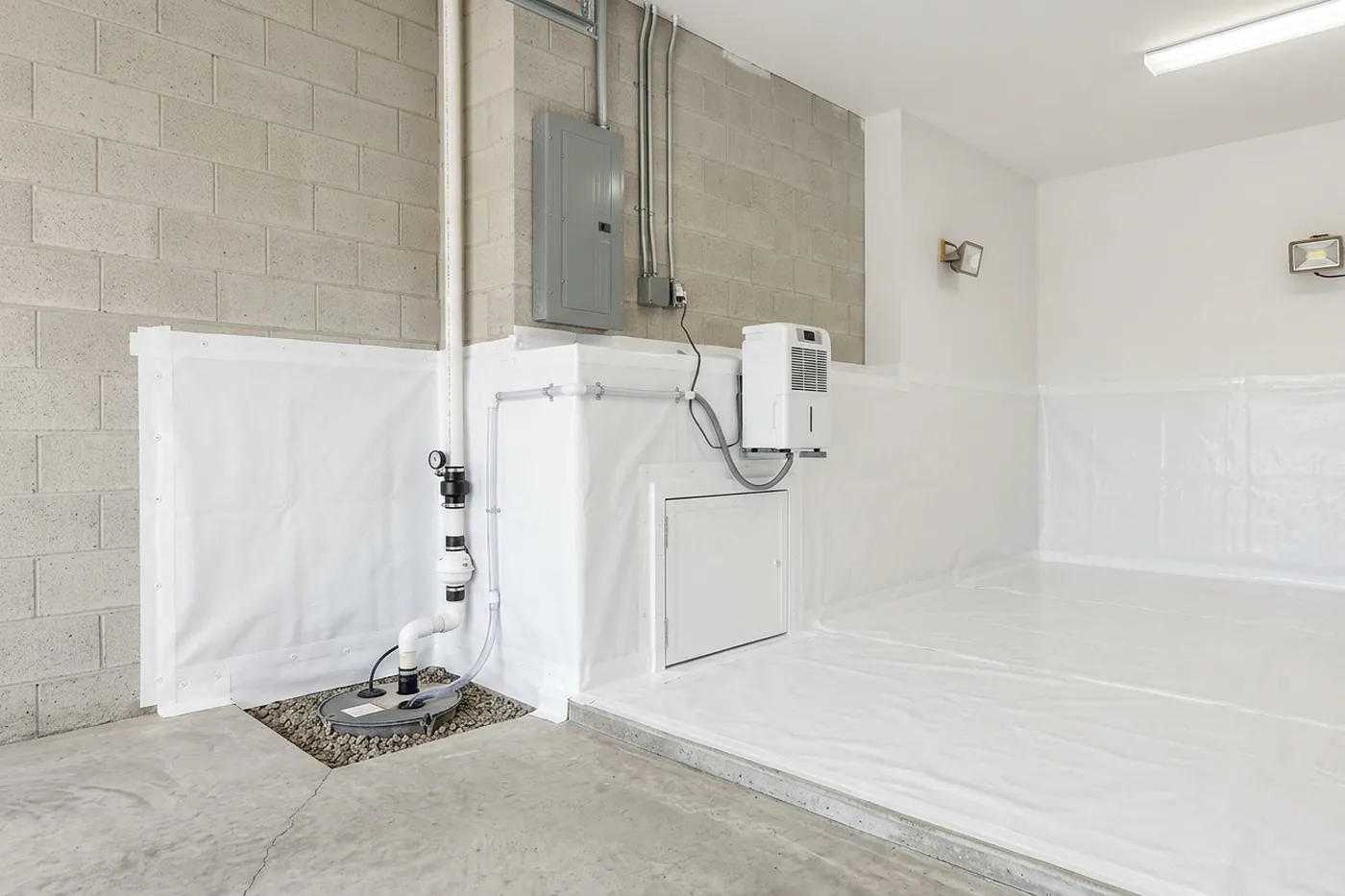
Built for karst endurance
- Collection mapped to emergence points, where your lot's water actually surfaces
- Sealed basins: no open pit humidifying the crawl with collected water
- Pumps rated for sustained cycling, not just peak surge
- Battery backup options: storms and outages travel together on the plateau edge
- Discharge that stays gone: daylighted, dispersed, and clear of the limestone's return paths
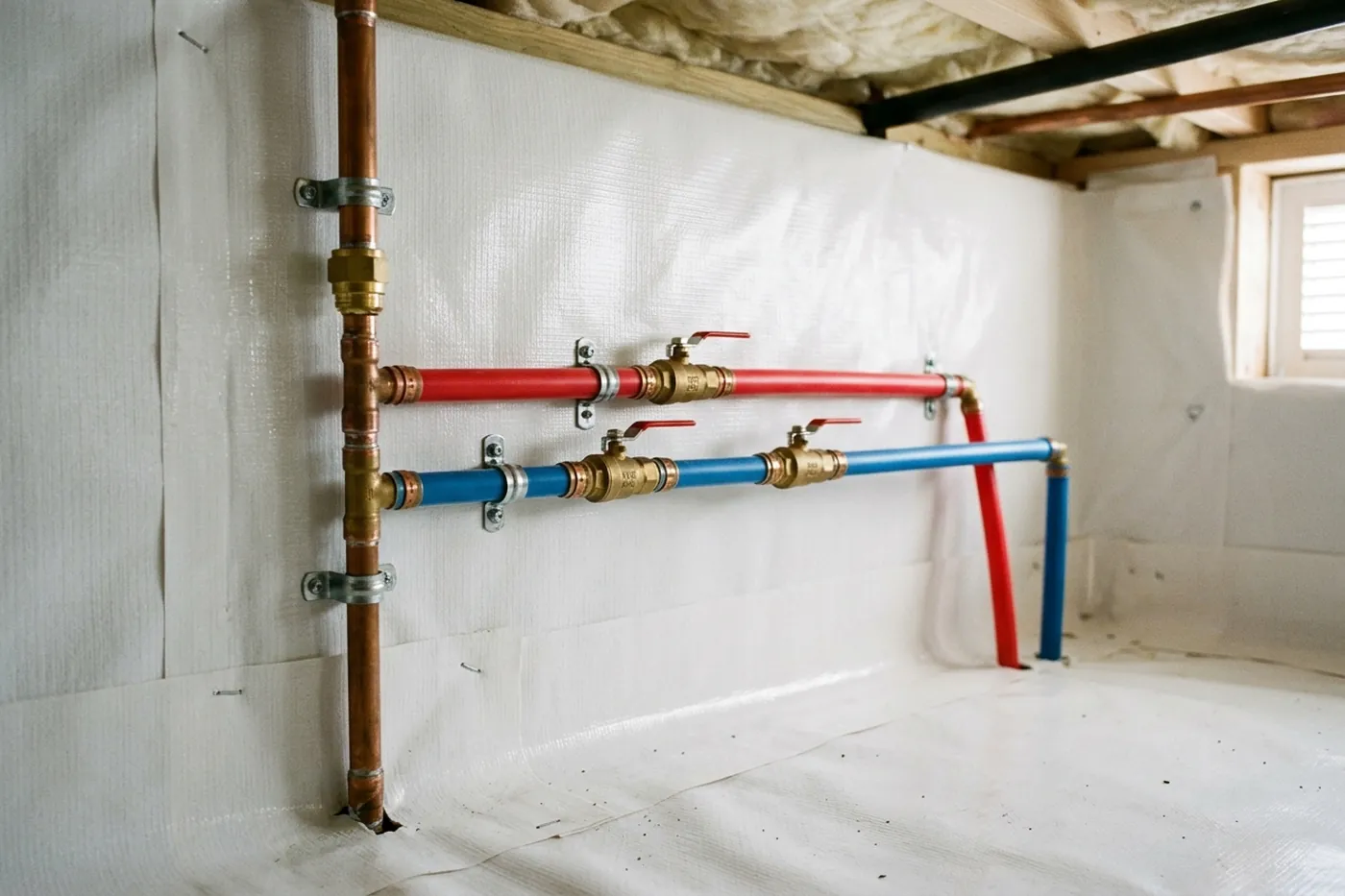
Drainage first, sealing when ready
Dry-bottomed is the prerequisite for everything else under the house. Some homes stop there and watch a wet season; most pair drainage with the sealed system in one sequence, because the condensation problem never waits politely. An itemized quote stages both ways, and when a $400 downspout correction carries half your problem, it belongs in the quote first.
Can a pump fix this, or is it the wrong tool?
In karst, a pump is sometimes genuinely the answer, because the water is arriving from below rather than from the roofline. Establishing which comes first.
| Option | What it does | The local catch |
|---|---|---|
| Interior perimeter drain and pump | Collects and ejects water that has arrived | Often justified here, where springs and seeps feed the crawl from underneath |
| Exterior drainage and grading | Stops water arriving in the first place | Still worth doing, but it cannot stop groundwater rising through rock |
| Gutters and extensions | Removes the largest single source, cheaply | Necessary in a 60-inch market and rarely sufficient on its own |
| Pump alone, nothing else | Manages symptoms indefinitely | On the Highland Rim this is sometimes the honest long-term answer |
Where the pump discharges is a karst question, not a plumbing one. Never toward a sinkhole, a swallet, or a spring line.
Frequently asked questions
What does a sump system cost in the Upper Cumberland?
$1,500-$4,000 for a sealed sump alone; $2,500-$7,000 fed by perimeter collection. Battery backup adds a few hundred dollars and earns it the first storm outage.
How big a pump does a karst-country crawl need?
The wet-weather peak decides: size from observed water behavior, roof area, and the crawl's collection footprint, not a shelf default. Karst can keep delivering for days after the storm, so duty cycle matters as much as peak flow.
What about weeks when the ground never dries?
That's the design case. Sealed basin, rated pump, clear discharge: the system cycles as often as the limestone asks. Saturated stretches are when commissioning proves the install.
How are these systems maintained?
With seasonal checks: float tests and discharge verification. Ask the specialist for a five-minute homeowner walkthrough if you'd rather own it. Discharge outlets just need keeping clear of leaves and mulch.
Get a Cookeville crawl space inspection
Tell us what you're noticing (smells, humidity, floor bounce, a wet crawl) and we'll pass your request to one independent local specialist who serves Cookeville. They call you back to set up an inspection.