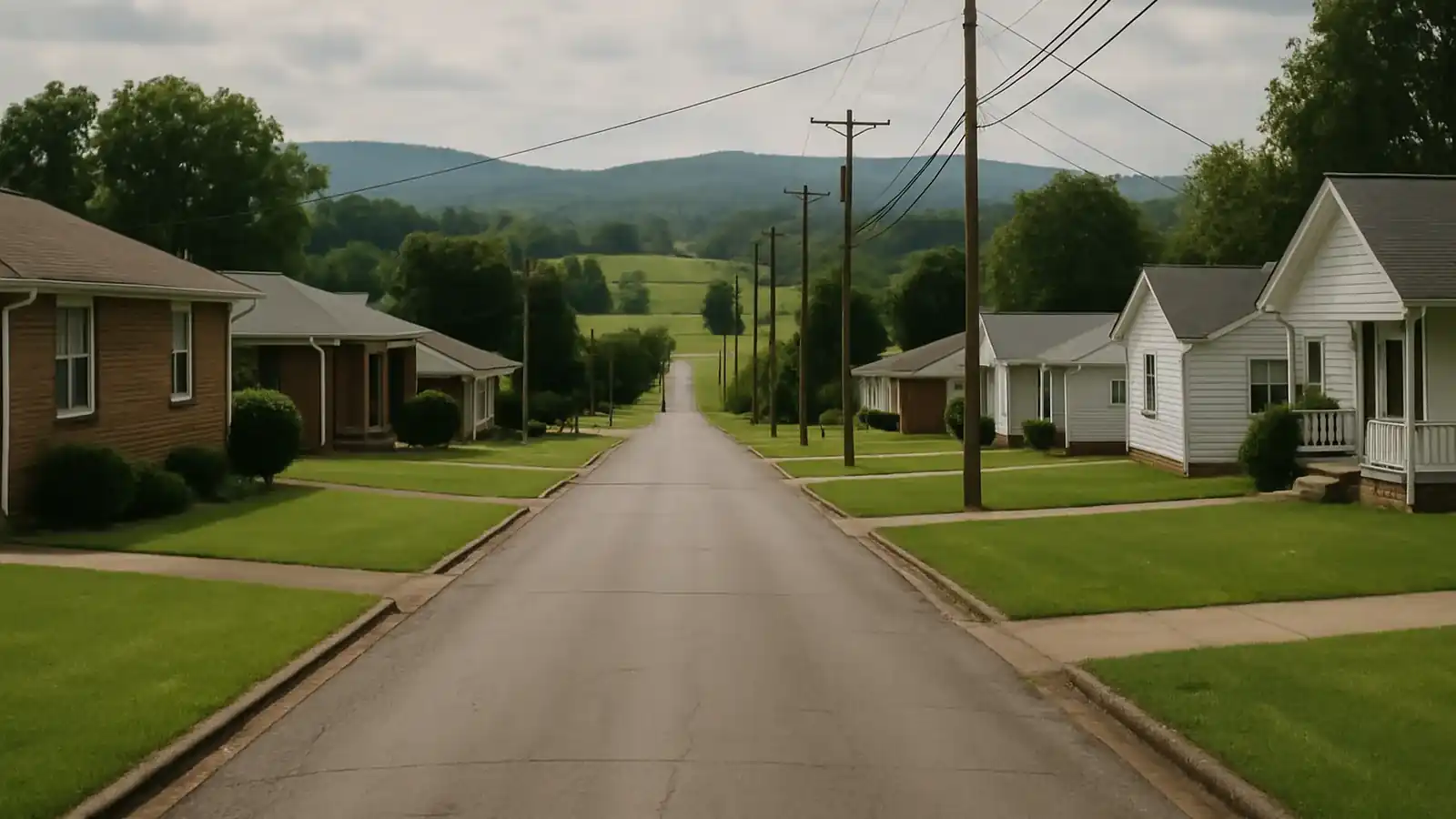
Cookeville Crawl Spaces connects you with a local specialist for six core services: encapsulation ($6,000–$15,000), structural repair, waterproofing, vapor barriers, mold and moisture control, and drainage, sequenced water first, sealed second.
Start from the symptom you can actually see, and the page below has the local numbers behind it.
Crawl Space Encapsulation
The full seal-and-dry system, but only once the groundwater question has been answered.
Crawl Space Repair
Sistered joists, girder replacement and steel supports where framing has softened.
Crawl Space Waterproofing
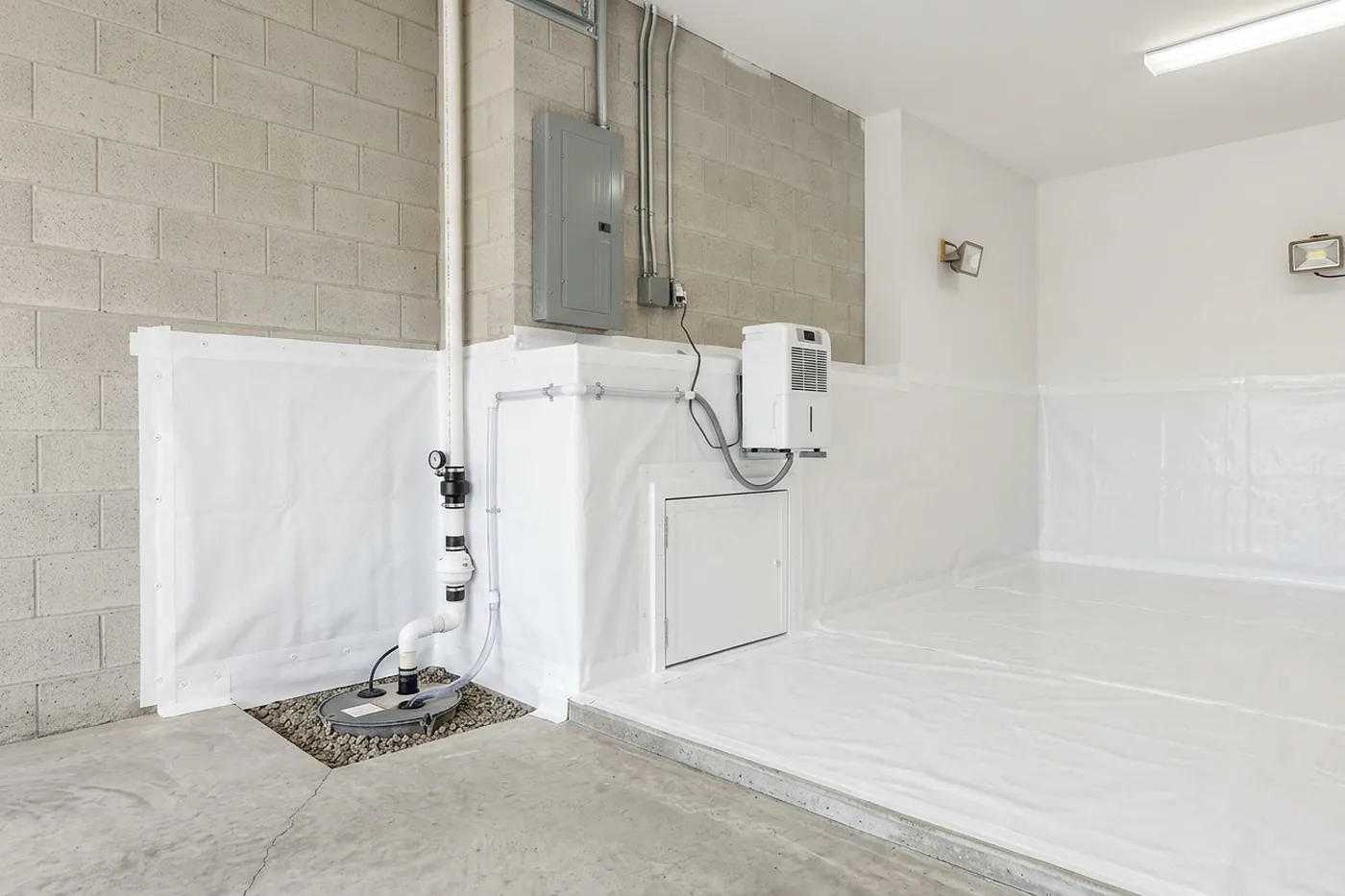
Where karst puts water under the house: routed and discharged before anything gets sealed over it.
Vapor Barrier Installation
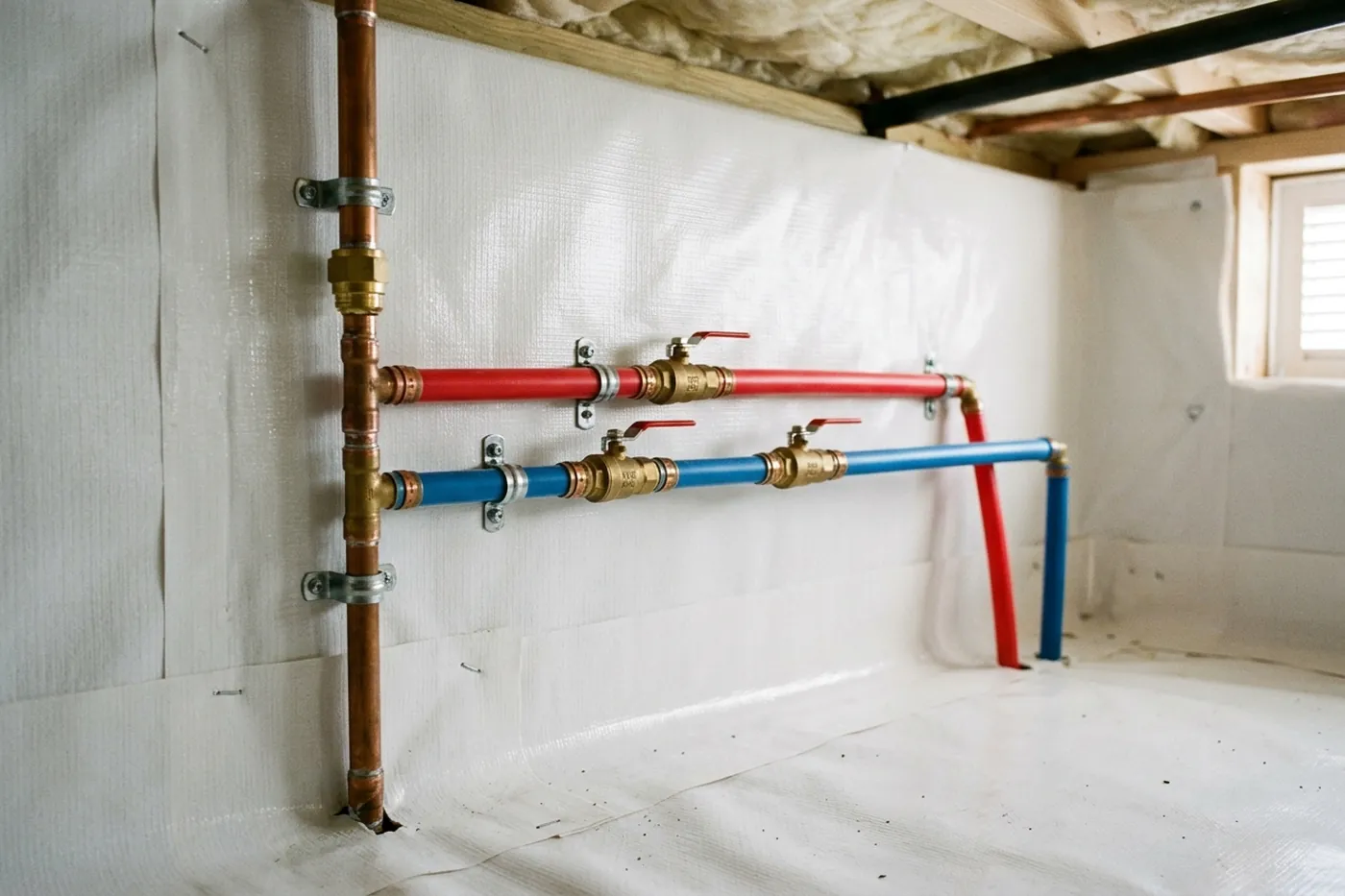
Reinforced 12–20 mil ground liner, laid to fall rather than flat so it sheds as well as blocks.
Mold & Moisture Control
Remediation that starts by finding the water: over limestone it is often not humidity at all.
Sump Pump & Drainage
Collection sized for sixty-inch rain years and the storms that arrive off the plateau edge.
Cost Guide: Encapsulation Pricing
What the ranges depend on in the Upper Cumberland, and why drainage moves the number most.
Sagging Floor Repair
Bounce and slope in the floor above, traced to the bay that has been staying wet.
What do the six services cost?
| Service | Typical Cookeville cost | Time on site |
|---|---|---|
| Crawl space encapsulation | $6,000–$15,000 | 2–4 days |
| Structural repair | $1,500–$8,000 | 1–3 days |
| Waterproofing | $2,500–$7,000 | 1–2 days |
| Vapor barrier | $1,500–$4,000 | 1 day |
| Mold & moisture control | $1,500–$6,000 | 1–2 days |
| Sump & drainage | $1,500–$7,000 | 1–2 days |
Every range should narrow to a written, itemized number after the inspection, because on crawl work the honest quote requires eyes and readings under the actual house.
Why drainage leads here more often than it should
Crawl work fails when it is done out of order: a liner over standing water, mould treatment in a crawl that is still damp, repairs underneath a leak nobody found. The sequence is water, then structure, then seal, then dry, because each stage protects the one after it.
What is different about the Upper Cumberland is how often stage one is the whole job. This is karst country: limestone with solution channels, springs and sinkholes running through it, in a market taking around sixty inches of rain a year. A crawl here can be taking groundwater with nothing wrong with the house at all: guttering fine, grading fine, water arriving anyway because the rock routes it that way.
Sealing that crawl before routing the water produces an expensive, well-documented failure. So a good inspection establishes where the water comes from before anyone talks about what to install, and in this market the answer is genuinely unpredictable from the outside.
What happens after you book
- A local specialist calls you back to get you scheduled
- The inspection, which should cover moisture readings, a structural check, and the source of any water
- The debrief: ask to see the readings and the pictures before any price is mentioned
- A quote to review: ask for it written and itemised, with warranty terms, staged if you want
- Scheduled work: ask for each stage to be documented
Where the crawl turns out to be dealing with flow rather than vapour, the quote should lead with drainage and say why. That is a smaller first invoice than a sealed system, and it is the one that determines whether the rest holds.
Frequently asked questions
Which service do most Cookeville homes actually need?
Drainage leads here more than in most markets, because karst groundwater puts water under houses that have nothing wrong with them. Crawls with no flow history start with moisture control instead. The inspection settles which, and it is not reliably guessable from the surface.
Can the stages be combined into one project?
Usually they should be. Drainage, repair and sealing share one mobilisation and follow each other naturally. Ask for the quote itemised so you can still stage the work across budgets if you would rather.
There is a sinkhole in the yard. Does that change things?
It changes what the inspection is looking for. Karst features tell you the ground moves water locally, so the crawl gets read for evidence of flow and seasonal entry rather than assumed to be a vapour problem.
Can a crawl another company sealed be fixed?
Often, and around here the usual finding is a good liner installed over a groundwater path nobody traced. A good inspection reports what is actually under there, including when the existing system only needs finishing.
Not sure which page fits your problem?
Musty smell points to moisture control; water points to waterproofing; bouncy floors point to repair; wanting it fixed for good points to encapsulation. Or skip the sorting: the inspection diagnoses it under the actual house, across nine communities.
Get a Cookeville crawl space inspection
Tell us what you're noticing (smells, humidity, floor bounce, a wet crawl) and we'll pass your request to one independent local specialist who serves Cookeville. They call you back to set up an inspection.